Travel insurance is not just a precaution; it’s your shield against the unforeseen. Picture this: you’re exploring a new destination, and suddenly, an unexpected event disrupts your plans. That’s where travel insurance comes in, offering you the peace of mind you need to continue your journey worry-free.
Importance of Travel Insurance
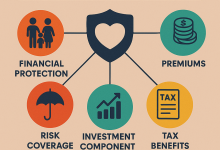
Travel insurance is an essential investment for travelers as it provides financial protection and peace of mind in unforeseen circumstances. Whether it’s a medical emergency, trip cancellation, or lost luggage, having travel insurance can help travelers navigate these challenges without incurring significant financial burdens.



Financial Protection
Travel insurance can cover expenses related to medical emergencies, trip cancellations, or delays, ensuring that travelers are not left stranded or facing exorbitant costs.
Peace of Mind
Knowing that you have travel insurance can offer peace of mind, allowing you to enjoy your trip without worrying about unexpected events derailing your plans or finances.
Examples of Situations
- Medical Emergency: If you fall ill or get injured while traveling, travel insurance can cover medical expenses, including hospital stays, medications, and emergency medical evacuation.
- Trip Cancellation: In case you need to cancel your trip due to unforeseen circumstances like illness, travel insurance can reimburse you for non-refundable expenses such as flights and accommodation.
- Lost or Delayed Luggage: If your luggage is lost or delayed during your travels, travel insurance can provide coverage for essential items or reimburse you for the value of your belongings.
Types of Travel Insurance Coverage
Travel insurance policies offer different types of coverage to protect travelers from unforeseen events. Let’s explore the various options available and their significance.
1. Basic Coverage
Basic coverage typically includes trip cancellation/interruption, travel delays, and emergency medical assistance. It provides essential protection for common travel mishaps without extensive coverage for high-value items or expensive medical treatments.
2. Mid-Level Coverage
Mid-level coverage enhances basic coverage by including more comprehensive medical coverage, additional trip cancellation benefits, and increased coverage limits for baggage loss or delay. This option is suitable for travelers seeking a balance between cost and coverage.
3. Premium Coverage
Premium coverage offers the highest level of protection, with extensive medical coverage, cancel for any reason (CFAR) options, and higher reimbursement limits for lost or stolen belongings. This option is ideal for travelers with valuable assets or those planning expensive trips.
Medical Coverage:
– Provides reimbursement for medical expenses incurred during the trip, including hospital stays, doctor visits, and emergency medical evacuation.
– Essential for covering unexpected illnesses or injuries while traveling abroad.
Trip Cancellation Coverage:
– Reimburses non-refundable trip expenses if the trip is canceled due to covered reasons such as illness, natural disasters, or airline strikes.
– Helps travelers recoup financial losses from prepaid expenses.
Baggage Loss Coverage:
– Offers reimbursement for lost, stolen, or damaged luggage during the trip.
– Provides peace of mind knowing that belongings are protected against unforeseen events.
Factors to Consider When Choosing Travel Insurance
When choosing a travel insurance plan, there are several key factors that travelers should consider to ensure they have adequate coverage and protection during their trip.
1. Trip Duration
The length of your trip plays a crucial role in determining the type of travel insurance you need. Short trips may require basic coverage, while longer trips might necessitate more extensive coverage to account for unforeseen circumstances that may arise over an extended period.
2. Travel Destination
The destination of your trip is another important factor to consider when selecting travel insurance. Different regions may pose unique risks, such as medical emergencies, natural disasters, or political unrest. It’s essential to choose a policy that provides coverage specific to the risks associated with your destination.
3. Activities and Excursions
The activities you plan to engage in during your trip can impact the type of coverage you need. If you will be participating in adventurous or high-risk activities like skiing, scuba diving, or mountain climbing, you may require additional coverage for potential injuries or emergencies related to these activities.
4. Reading the Fine Print
One of the most critical factors to consider when choosing travel insurance is reading the fine print of the policy. Understanding the terms, conditions, and exclusions of your coverage is essential to ensure you are aware of what is and isn’t covered. Pay close attention to policy exclusions related to pre-existing medical conditions, high-risk activities, and other limitations that may affect your coverage.
Benefits of Comprehensive Travel Insurance
Comprehensive travel insurance plans offer a wide range of advantages that can provide travelers with peace of mind and protection during their trips. These plans go beyond basic coverage and include additional benefits that can be invaluable in emergencies or unexpected situations.
Emergency Assistance Services
Comprehensive travel insurance often includes access to emergency assistance services, such as a 24/7 helpline that can provide support in case of medical emergencies, evacuation assistance, or even help with lost or stolen belongings. These services can be crucial when traveling in unfamiliar environments and can help travelers navigate challenging situations more effectively.
Concierge Services
Some comprehensive travel insurance plans also offer concierge services, which can assist travelers with various aspects of their trip, such as booking reservations, arranging transportation, or providing recommendations for activities and attractions. This added level of assistance can enhance the overall travel experience and make it easier for travelers to enjoy their trip without worrying about logistics.
Higher Level of Protection
By opting for a comprehensive travel insurance plan, travelers can ensure they have a higher level of protection against unforeseen events, such as trip cancellations, delays, or interruptions. These plans typically offer broader coverage and higher benefit limits, giving travelers more financial security and coverage for a wider range of scenarios. This can be especially beneficial for travelers embarking on longer trips or those visiting multiple destinations.
Tips for Purchasing Travel Insurance
When it comes to purchasing travel insurance, there are several important factors to consider in order to ensure you have the right coverage for your needs. Here are some tips to guide you through the process:
Step-by-Step Guide on How to Purchase Travel Insurance
- Start by assessing your travel needs: Consider the type of trip you are taking, the duration, and any potential risks or concerns specific to your destination.
- Research different insurance providers: Look for reputable companies that offer comprehensive coverage and positive customer reviews.
- Compare quotes: Obtain quotes from multiple providers to ensure you are getting the best value for your money.
- Review policy details: Carefully read through the terms and conditions of each policy to understand what is covered and any limitations or exclusions.
- Customize your plan: Consider adding optional coverage for activities such as adventure sports or pre-existing medical conditions to tailor the policy to your individual needs.
- Purchase your policy: Once you have selected the right plan, complete the application process and make the payment to secure your coverage.
Importance of Comparing Quotes from Different Insurance Providers
- By comparing quotes from different insurance providers, you can ensure you are getting the best coverage at the most competitive price.
- Each insurance company may offer different levels of coverage and benefits, so it is important to review multiple options to find the policy that best meets your needs.
- Comparing quotes can also help you identify any hidden costs or fees that may not be initially apparent, allowing you to make an informed decision about your coverage.
Tips on Customizing a Travel Insurance Plan to Suit Individual Needs
- Consider your specific travel activities: If you plan to engage in adventure sports or other high-risk activities, make sure your policy includes coverage for these pursuits.
- Assess your medical needs: If you have pre-existing medical conditions or require special medication, ensure your policy provides adequate coverage for these situations.
- Review trip cancellation coverage: If your trip is non-refundable or involves significant expenses, consider adding trip cancellation insurance to protect your investment.
- Seek advice from insurance professionals: If you are unsure about the level of coverage you need, consult with insurance agents or brokers who can help guide you through the process.
Common Misconceptions About Travel Insurance
When it comes to travel insurance, there are several common misconceptions that can lead travelers to make uninformed decisions. It is essential to debunk these myths with factual information and real-life examples to help travelers understand the importance of this type of insurance.
Travel Insurance Is Expensive and Not Worth It
One of the most common misconceptions about travel insurance is that it is costly and not worth the investment. However, the reality is that the cost of travel insurance is minimal compared to the potential financial losses that could occur during a trip. For example, if a traveler needs medical evacuation or emergency medical treatment abroad, the expenses can be astronomical without insurance coverage.
Travel Insurance Only Covers Trip Cancellation
Another misconception is that travel insurance only covers trip cancellations. In fact, travel insurance provides a wide range of coverage, including medical emergencies, trip interruptions, lost luggage, and even emergency evacuation. It is crucial to read the policy details to understand the full extent of coverage provided.
My Health Insurance Will Cover Me Abroad
Some travelers believe that their regular health insurance will cover them when traveling abroad. While some health insurance policies offer limited coverage overseas, they may not cover emergencies like medical evacuation or treatment in foreign countries. Travel insurance ensures that you are adequately protected during your trip.
I’m Too Young or Healthy to Need Travel Insurance
Young and healthy travelers often assume that they are invincible and do not need travel insurance. However, unforeseen events like accidents, natural disasters, or trip cancellations can happen to anyone, regardless of age or health status. Travel insurance provides peace of mind and financial protection in case of emergencies.
I Only Need Travel Insurance for International Trips
Some travelers mistakenly believe that travel insurance is only necessary for international trips. However, domestic travel can also benefit from insurance coverage, especially in cases of trip cancellations, delays, or medical emergencies. It is essential to consider the risks involved in any travel, whether domestic or international.
Claim Process for Travel Insurance
When it comes to travel insurance, understanding the claim process is crucial for ensuring a smooth experience in case of emergencies or unexpected events during your trip. Knowing the steps involved in filing a claim, as well as tips for documenting incidents and gathering necessary paperwork, can help you navigate the process efficiently.
Steps in Filing a Travel Insurance Claim
- Notify your insurance provider as soon as possible: Contact your insurance company immediately after the incident to inform them about the situation.
- Complete the claim form: Fill out the necessary paperwork provided by your insurance company, including details of the incident and any supporting documentation.
- Submit required documents: Gather all relevant documents such as police reports, medical records, receipts, and any other evidence to support your claim.
- Wait for claim processing: Your insurance provider will review your claim and may request additional information if needed. Be patient during the processing period.
- Receive claim decision: Once your claim is reviewed, you will be informed of the decision regarding your coverage and the amount of reimbursement you are eligible to receive.
Tips for Documenting Incidents and Gathering Necessary Paperwork
- Keep detailed records: Maintain a journal of events, take photos or videos if possible, and collect receipts for any expenses incurred as a result of the incident.
- Obtain official reports: If the incident involves theft, loss, or injury, be sure to obtain official reports from local authorities, medical professionals, or relevant parties.
- Contact your insurance provider: Reach out to your insurance company for guidance on the documentation required for your specific claim.
Common Reasons for Travel Insurance Claim Denials and How to Avoid Them
- Failure to disclose pre-existing conditions: Make sure to accurately disclose any pre-existing medical conditions when purchasing travel insurance to avoid claim denials related to undisclosed information.
- Not meeting policy requirements: Review your policy coverage and limitations to ensure that your claim falls within the scope of the benefits provided by your insurance plan.
- Missing documentation: Ensure that you have all the necessary paperwork and evidence to support your claim, as incomplete documentation can lead to claim denials.
Travel Insurance for Specific Travel Scenarios
When it comes to specialized travel scenarios such as adventure travel, senior travel, or trips for international students, having tailored insurance coverage is crucial to ensure adequate protection. Each of these scenarios comes with unique risks and requirements that may not be covered by standard travel insurance policies. Let’s explore the different options available for travelers in these specific situations and how they can find the right insurance to meet their needs.
Adventure Travel Insurance
Adventure travel often involves high-risk activities such as hiking, skiing, or scuba diving. Standard travel insurance may not provide coverage for these activities, so it’s essential to look for a specialized adventure travel insurance policy. This type of insurance typically includes coverage for emergency medical expenses, evacuation, and equipment protection specific to adventure sports.
Senior Travel Insurance
Seniors may have unique health concerns that require specialized coverage during travel. Senior travel insurance policies often offer higher coverage limits for medical expenses, pre-existing condition coverage, and assistance services tailored to the needs of older travelers. It’s crucial for seniors to disclose all relevant health information when purchasing travel insurance to ensure they are adequately covered.
International Student Travel Insurance
International students studying abroad face specific challenges such as visa issues, academic interruptions, or emergency medical needs. International student travel insurance provides coverage for these scenarios, including medical expenses, emergency medical evacuation, and coverage for academic-related issues. It’s important for international students to choose a policy that meets the requirements of their host country and academic institution.
Future Trends in Travel Insurance
Travel insurance is constantly evolving to meet the changing needs of travelers and adapt to global challenges. Let’s explore some of the emerging trends shaping the future of travel insurance.
Integration of Technology
With the advancement of technology, the travel insurance industry is increasingly incorporating tools such as Artificial Intelligence (AI) and blockchain to enhance the customer experience. AI-powered chatbots are being used to provide instant assistance and streamline the claims process, while blockchain technology is improving data security and fraud prevention.
Personalized Insurance Products
Travel insurance offerings are becoming more tailored to individual traveler profiles and needs. Insurers are leveraging data analytics to create personalized insurance plans that provide coverage based on specific travel habits, destinations, and preferences. This customization ensures that travelers have the right level of protection for their unique circumstances.
Expansion of Coverage Options
As travelers face new risks and challenges, travel insurance providers are expanding their coverage options to address these evolving needs. From protection against cyber threats to coverage for natural disasters and pandemics, insurers are developing innovative policies to safeguard travelers against a wide range of unexpected events.
Sustainable and Ethical Practices
In response to growing concerns about sustainability and ethical practices, travel insurance companies are focusing on offering environmentally friendly and socially responsible policies. Insurers are collaborating with eco-conscious partners and supporting sustainable travel initiatives to promote responsible tourism and minimize the industry’s impact on the environment.
Mobile-First Solutions
The shift towards mobile-first solutions is revolutionizing the way travelers access and manage their insurance coverage. Travel insurance providers are developing user-friendly mobile apps that allow policyholders to purchase insurance, file claims, and receive assistance on the go. This mobile-centric approach is enhancing convenience and accessibility for travelers worldwide.
Global Collaboration and Partnerships
To address the challenges posed by an increasingly interconnected world, travel insurance companies are forming strategic partnerships and collaborations on a global scale. By working together with other insurers, governments, and travel industry stakeholders, insurers can create comprehensive solutions that provide seamless protection for travelers across borders.
Outcome Summary
As we conclude our discussion on travel insurance, remember that investing in this safety net can make all the difference during your travels. Whether it’s protecting your belongings or providing emergency assistance, travel insurance is your reliable companion wherever you go.

Storyteller and digital explorer covering the latest updates in business and lifestyle.