Starting with car insurance quotes, this article delves into the crucial aspects of obtaining and understanding quotes, ensuring drivers make informed decisions.
Exploring the significance of comparing multiple quotes, factors influencing quotes, types of coverage, obtaining quotes, understanding premiums, comparison shopping, common mistakes to avoid, negotiating discounts, fine print details, and the future trends in the car insurance industry.





Importance of Car Insurance Quotes
Car insurance quotes play a crucial role in helping drivers make informed decisions about their insurance coverage. By providing estimates of potential costs and coverage options, these quotes are essential for ensuring financial protection and peace of mind on the road.
Significance of Comparing Multiple Quotes
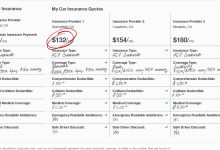
It is highly important for drivers to compare multiple car insurance quotes before making a decision. By doing so, individuals can ensure they are getting the best possible coverage at the most competitive rates. Comparing quotes allows drivers to identify any gaps in coverage, potential discounts, and additional benefits offered by different insurance providers.
How Insurance Quotes Help in Making Informed Decisions
- Insurance quotes provide an estimate of the cost of coverage, helping drivers budget effectively for their insurance premiums.
- Comparing quotes allows drivers to evaluate different coverage options and select a policy that best suits their individual needs.
- By reviewing multiple quotes, drivers can avoid overpaying for coverage and ensure they are receiving value for their money.
- Insurance quotes also highlight any exclusions or limitations in coverage, allowing drivers to make informed decisions about their level of protection.
Factors Influencing Car Insurance Quotes
When it comes to determining car insurance quotes, various factors come into play that can significantly impact the final cost. Understanding these key factors is essential for individuals looking to secure the best insurance rates for their vehicles.
Vehicle Type and Age
The type and age of the vehicle you drive play a crucial role in determining your car insurance quotes. Typically, newer and more expensive cars will have higher insurance rates due to the increased cost of repairs or replacements in the event of an accident. On the other hand, older vehicles may have lower insurance premiums since they are considered less valuable.
Driving Record
Your driving record is another critical factor that insurance companies consider when calculating your insurance quotes. A clean driving record with no accidents or traffic violations can lead to lower premiums, as it indicates a lower risk of accidents. Conversely, a history of accidents or speeding tickets can result in higher insurance costs.
Location
Where you live also plays a significant role in determining your car insurance rates. Urban areas with higher rates of accidents and thefts may result in higher premiums compared to rural areas. Additionally, areas prone to extreme weather conditions or high levels of traffic congestion can also impact insurance costs.
Types of Coverage in Car Insurance Quotes
When you receive car insurance quotes, you will typically see different types of coverage options available to choose from. Understanding the types of coverage offered can help you make an informed decision about the protection you need for your vehicle.
Comprehensive Coverage vs. Liability Coverage
Comprehensive coverage and liability coverage are two common types of coverage included in car insurance quotes. Here is a comparison of both:
- Comprehensive Coverage: This type of coverage provides protection for damages to your vehicle that are not caused by a collision. It typically covers incidents such as theft, vandalism, weather-related damage, and more. Comprehensive coverage can help you repair or replace your vehicle in various non-collision scenarios.
- Liability Coverage: Liability coverage, on the other hand, protects you financially if you are at fault in an accident that causes injury or property damage to others. This coverage helps cover the medical expenses and repair costs of the other party involved in the accident. It is a crucial component of car insurance to ensure you can meet your legal obligations in case of an accident.
Importance of Adding Extras
In addition to the basic coverage options like comprehensive and liability coverage, car insurance quotes may also offer extras that you can add to your policy for additional protection. Some common extras include:
- Roadside Assistance: Adding roadside assistance to your policy can provide you with peace of mind knowing that help is just a phone call away in case of a breakdown or emergency while on the road.
- Rental Car Coverage: Rental car coverage can be beneficial if your vehicle is temporarily out of commission due to an accident. This coverage helps cover the cost of a rental car while your vehicle is being repaired, ensuring you can still get around without major disruptions.
How to Obtain Car Insurance Quotes
Obtaining car insurance quotes is a crucial step in finding the best coverage at a competitive price. Here is a step-by-step guide on how to request car insurance quotes and the information needed to get an accurate quote.
Requesting Car Insurance Quotes
- Research Insurance Providers: Start by researching reputable insurance companies that offer car insurance in your area.
- Contact Insurance Companies: Reach out to the insurance companies either online through their websites or by phone to request a quote.
- Provide Necessary Information: Be prepared to provide information such as your vehicle details, driving history, and personal information to get an accurate quote.
- Compare Quotes: Once you receive quotes from different insurance providers, compare the coverage options and prices to choose the best one for your needs.
Information Needed for Accurate Quotes
- Vehicle Details: Provide information about your vehicle, including make, model, year, and VIN number.
- Driving History: Be ready to share details about your driving history, including any accidents or traffic violations.
- Personal Information: Insurance companies may require personal information such as your age, gender, and address to provide an accurate quote.
- Coverage Preferences: Decide on the type of coverage you need, such as liability, comprehensive, or collision coverage.
Online Quotes vs. Agent Assistance
- Online Quotes: Requesting quotes online is convenient and allows you to compare multiple quotes quickly. You can fill out forms on insurance websites and receive quotes via email.
- Agent Assistance: Working with an insurance agent can provide personalized assistance and guidance in choosing the right coverage. Agents can help explain policy details and answer any questions you may have.
Understanding Premiums in Car Insurance Quotes
Car insurance premiums are the amount of money you pay to the insurance company for coverage on your vehicle. This payment is typically made on a monthly or annual basis, and the cost is determined by various factors.
Impact of Deductibles on Insurance Premiums
- Higher deductibles usually result in lower premiums. When you choose a higher deductible, you agree to pay more out of pocket before your insurance kicks in to cover a claim. This reduced financial risk for the insurance company often leads to lower premiums for you.
- Conversely, lower deductibles mean the insurance company will have to pay out more in the event of a claim, resulting in higher premiums to offset this increased risk.
Ways to Lower Premiums without Sacrificing Coverage
- Bundle your car insurance with other types of insurance, such as homeowners or renters insurance, to receive a multi-policy discount.
- Drive safely and maintain a good driving record to qualify for safe driver discounts.
- Consider opting for a usage-based insurance policy where your premiums are based on your actual driving habits.
- Shop around and compare quotes from different insurance companies to find the best rate for the coverage you need.
- Inquire about available discounts for features like anti-theft devices, safety features, or completing a defensive driving course.
Comparison Shopping for Car Insurance Quotes
When it comes to finding the best car insurance coverage for your needs, comparison shopping is key. By comparing different car insurance quotes, you can ensure that you are getting the coverage you need at a price that fits your budget. Here are some tips on how to effectively compare different car insurance quotes:
Review Coverage Limits and Deductibles
- Check the coverage limits: Make sure the coverage limits offered by each insurance provider meet your needs. Consider factors like liability coverage, comprehensive coverage, and collision coverage.
- Consider deductibles: Review the deductibles for each type of coverage. A higher deductible may lower your premium, but it will also increase your out-of-pocket expenses in the event of a claim.
- Compare additional coverage options: Look at additional coverage options like roadside assistance, rental car reimbursement, and gap insurance. Consider whether these options are worth the extra cost.
Benefits of Using Comparison Websites or Working with an Agent
- Save time: Comparison websites allow you to quickly compare multiple car insurance quotes in one place, saving you time and effort.
- Access to multiple quotes: By using a comparison website or working with an agent, you can access quotes from multiple insurance providers, giving you more options to choose from.
- Expert guidance: Working with an agent can provide you with expert guidance on choosing the right coverage for your needs and budget.
Common Mistakes to Avoid When Getting Car Insurance Quotes
When obtaining car insurance quotes, it is crucial to be aware of common mistakes that can have negative consequences. Providing inaccurate information, overlooking policy details, and failing to compare quotes can lead to unsatisfactory coverage and financial implications.
Failure to Provide Accurate Information
One common mistake to avoid when getting car insurance quotes is providing inaccurate information. Whether it’s about your driving history, vehicle details, or personal information, any discrepancies can result in a policy that does not adequately cover your needs. Be honest and transparent when filling out the forms to ensure you receive accurate quotes.
Overlooking Policy Details
It is essential to review the policy details carefully before making a decision. Some people make the mistake of focusing solely on the premium amount without considering the coverage limits, deductibles, and exclusions. Overlooking these details can lead to surprises when filing a claim and realizing certain incidents are not covered.
Failure to Compare Multiple Quotes
Another mistake to avoid is not comparing quotes from multiple insurance providers. Each company has its own pricing structure and offers different coverage options. Failing to shop around and compare quotes can result in paying more for less coverage. Take the time to gather quotes from several insurers to ensure you are getting the best value for your money.
Negotiating Discounts in Car Insurance Quotes
When seeking car insurance quotes, negotiating discounts can significantly lower your premiums and save you money in the long run. Insurance providers often offer various discounts that you can take advantage of to reduce your overall insurance costs.
One effective strategy for negotiating discounts is bundling policies. By combining multiple insurance policies, such as auto and home insurance, with the same provider, you may qualify for a bundled policy discount. This can result in substantial savings compared to purchasing individual policies from different providers.
Another way to negotiate discounts is by maintaining a clean driving record. Insurance companies typically offer lower rates to drivers with a history of safe driving, as they are considered less risky to insure. By avoiding accidents and traffic violations, you can demonstrate your responsibility on the road and potentially qualify for lower insurance premiums.
Loyalty and good credit can also play a significant role in negotiating discounts with insurance providers. Some companies offer loyalty discounts to long-term customers who renew their policies regularly. Additionally, having a good credit score can lead to lower insurance rates, as it reflects your financial stability and reliability as a policyholder.
Potential Savings from Bundling Policies
When you bundle your auto insurance with other policies such as home or renters insurance, you can often receive a discount ranging from 5% to 25% on each policy. This can result in substantial savings on your overall insurance costs.
- By bundling policies, you can simplify your insurance payments and paperwork, making it more convenient to manage your coverage.
- Insurance companies may also offer additional benefits or perks to policyholders who bundle their insurance, such as enhanced coverage options or priority customer service.
- It’s essential to compare quotes from different providers to ensure that bundling policies will indeed lead to cost savings and provide the coverage you need.
Impact of Clean Driving Record on Insurance Rates
Maintaining a clean driving record free of accidents and traffic violations can lead to lower insurance rates due to your reduced risk as a driver. Insurance companies typically reward safe drivers with discounted premiums.
- Drivers with a clean record may qualify for safe driver discounts, which can range from 10% to 30% off their insurance premiums.
- Insurance providers consider your driving history when determining your rates, so avoiding accidents and violations is crucial to securing lower insurance costs.
- Periodically reviewing your driving record and correcting any errors can help ensure that you receive the best possible rates based on your safe driving habits.
Benefits of Loyalty and Good Credit for Lower Insurance Rates
Insurance providers often offer discounts to loyal customers who renew their policies with the same company. By demonstrating loyalty and maintaining a good relationship with your insurer, you may qualify for discounts on your premiums.
- Loyalty discounts can range from 5% to 20% and are typically awarded to customers who have been with the same insurance provider for several years.
- Maintaining a good credit score can also result in lower insurance rates, as it indicates your financial responsibility and ability to manage your insurance payments.
- By building a positive credit history and staying loyal to your insurance company, you can negotiate discounts that lower your overall insurance costs.
Understanding Fine Print in Car Insurance Quotes
When obtaining car insurance quotes, it is essential to pay close attention to the fine print. The details in the fine print can significantly impact the coverage you receive and the claims process in the future.
Importance of Reading Fine Print
- Reading the fine print helps you understand the specific terms and conditions of the policy.
- It allows you to identify any exclusions or limitations that may affect your coverage.
- Understanding the fine print can prevent surprises or disputes when filing a claim.
Common Exclusions or Limitations
- Some policies may exclude coverage for specific perils such as natural disasters or acts of terrorism.
- Limitations on coverage for certain types of vehicles or drivers, such as high-performance cars or inexperienced drivers.
- Exclusions related to unauthorized use of the vehicle or driving under the influence of alcohol or drugs.
Examples of Important Clauses
-
Pay attention to the deductible amount, which is the portion of a claim that you are responsible for paying out of pocket.
-
Understand the coverage limits for liability, property damage, and medical payments to ensure adequate protection.
-
Look for clauses related to additional benefits or optional coverages that may enhance your policy.
The Future of Car Insurance Quotes
The car insurance industry is constantly evolving, with new trends and technologies shaping the way insurance quotes are calculated and obtained. As we look towards the future, it is important to understand how these changes may impact the process of getting car insurance quotes.
Emerging Trends in the Car Insurance Industry
- Usage-based insurance (UBI) programs are becoming more popular, allowing insurers to track driving habits through telematics devices installed in vehicles. This data is then used to calculate personalized insurance quotes based on individual driving behaviors.
- Artificial intelligence (AI) and machine learning algorithms are being utilized to analyze vast amounts of data quickly and accurately, leading to more precise risk assessments and customized quotes for policyholders.
- Peer-to-peer insurance models are emerging, where individuals can join together to create their own insurance pools and negotiate group rates, potentially changing the traditional insurance landscape.
Technology and Insurance Quotes
- Telematics technology, such as GPS tracking and sensors, is revolutionizing how insurance quotes are calculated. By monitoring driving habits in real-time, insurers can offer more accurate pricing based on actual risk factors.
- Mobile apps and online platforms are streamlining the process of obtaining insurance quotes, allowing customers to compare prices from multiple providers easily and conveniently.
- Data analytics and predictive modeling are being used to assess risk more effectively, leading to more personalized quotes that reflect an individual’s specific circumstances and behaviors.
The Evolution of Obtaining Car Insurance Quotes
- Virtual agents and chatbots are becoming more prevalent in the insurance industry, providing instant quotes and assistance to customers through online channels.
- Self-service portals and automated underwriting processes are speeding up the quote generation process, reducing the time it takes to receive a personalized insurance offer.
- Blockchain technology is being explored to enhance data security and transparency in insurance transactions, potentially simplifying the quote comparison and policy purchase process for consumers.
Ultimate Conclusion
In conclusion, navigating the realm of car insurance quotes requires a thorough understanding of the process and factors involved to secure the best coverage at competitive rates.

Storyteller and digital explorer covering the latest updates in business and lifestyle.
