Car insurance is a crucial aspect of responsible driving, providing financial protection and peace of mind to drivers. Understanding the ins and outs of car insurance can help you make informed decisions and secure the right coverage for your needs.
Definition of Car Insurance
Car insurance is a type of financial protection that helps cover the costs associated with damages or injuries resulting from car accidents. The primary purpose of car insurance is to provide peace of mind and financial security to drivers in case of unexpected events on the road.




Types of Coverage
- Liability Coverage: Covers expenses related to bodily injury and property damage to others in an accident where you are at fault.
- Collision Coverage: Pays for repairs or replacement of your vehicle in case of a collision with another vehicle or object.
- Comprehensive Coverage: Protects against damages not caused by a collision, such as theft, vandalism, or natural disasters.
- Personal Injury Protection (PIP): Covers medical expenses for you and your passengers regardless of fault.
- Uninsured/Underinsured Motorist Coverage: Helps cover costs if you are in an accident with a driver who has insufficient insurance or no insurance at all.
Importance of Car Insurance
Car insurance is essential for drivers as it provides financial protection in case of accidents, helps comply with legal requirements in many states, and ensures peace of mind on the road. Without car insurance, drivers may face significant financial burdens and legal consequences in the event of an accident.
Factors Affecting Car Insurance Rates
When it comes to car insurance rates, several factors play a significant role in determining how much you’ll pay for coverage. Understanding these factors can help you make informed decisions and potentially lower your insurance costs.
Age
Age is a key factor that insurance companies consider when calculating premiums. Younger drivers, especially those under 25, typically face higher insurance rates due to their lack of driving experience and higher likelihood of being involved in accidents. On the other hand, older drivers, particularly those over 50, may qualify for discounts as they are seen as more experienced and less risky.
Driving Record
Your driving record is another crucial factor that influences your car insurance rates. Drivers with a clean record, free of accidents or traffic violations, are likely to receive lower premiums as they are considered less risky to insure. On the contrary, drivers with a history of accidents, speeding tickets, or DUI convictions may face higher insurance costs due to the increased risk they pose.
Vehicle Type
The type of vehicle you drive also affects your insurance rates. Sports cars, luxury vehicles, and high-performance cars typically come with higher premiums due to their increased potential for costly repairs and the likelihood of being targeted by thieves. On the other hand, safe and reliable vehicles with advanced safety features may qualify for discounts as they are considered less prone to accidents.
Location
Where you live plays a significant role in determining your car insurance rates. Urban areas with higher population densities and increased traffic congestion tend to have higher premiums compared to rural areas. Additionally, areas prone to severe weather conditions, high crime rates, or high rates of uninsured drivers may also result in higher insurance costs.
Ways to Lower Insurance Rates
To potentially lower your car insurance rates, consider maintaining a clean driving record, bundling your policies, choosing a higher deductible, opting for discounts such as good student or safe driver discounts, and comparing quotes from multiple insurance providers to find the best deal.
Types of Car Insurance Coverage
When it comes to car insurance, there are several types of coverage options available to protect you financially in different situations. Understanding the differences between these types of coverage is crucial in ensuring you have the right protection for your needs.
Liability Coverage
Liability coverage helps pay for the other driver’s expenses if you are at fault in an accident. This type of coverage is required in most states and can help cover medical bills and property damage for the other party.
Collision Coverage
Collision coverage helps pay for repairs to your own vehicle if you are involved in an accident, regardless of fault. This coverage can be beneficial if you have a newer car or a car with a higher value that you want to protect.
Comprehensive Coverage
Comprehensive coverage helps pay for damage to your car that is not caused by a collision, such as theft, vandalism, or natural disasters. This coverage is important for protecting your vehicle in various non-accident scenarios.
Uninsured/Underinsured Motorist Coverage
This type of coverage helps protect you if you are involved in an accident with a driver who does not have insurance or enough insurance to cover your expenses. Uninsured/underinsured motorist coverage can help pay for medical bills and property damage in these situations.
Choosing the Right Car Insurance Policy
When it comes to choosing the right car insurance policy, there are several steps involved in making an informed decision. It is essential to compare and contrast different insurance providers to find the coverage that best fits your individual needs.
Comparing Insurance Providers
- Research various insurance companies to compare their coverage options, rates, and customer reviews.
- Consider the financial stability and reputation of each provider to ensure they can fulfill their promises in case of a claim.
- Look for discounts or special offers that different providers may offer to lower your premium.
Customizing Your Policy
- Determine the amount of coverage you need based on factors such as your vehicle’s value, driving habits, and budget.
- Choose additional coverage options like roadside assistance, rental car reimbursement, or gap insurance, depending on your specific requirements.
- Adjust your deductible to find the right balance between your premium costs and out-of-pocket expenses in case of a claim.
Making a Car Insurance Claim
After experiencing an accident, filing a car insurance claim is a crucial step to get the necessary financial assistance for repairs or medical expenses. It is essential to understand the process and ensure a smooth and efficient claims process to avoid any delays or complications.
The Process of Filing a Car Insurance Claim
When filing a car insurance claim, follow these steps:
- Contact your insurance company immediately after the accident to report the incident.
- Provide all necessary information, including details of the accident, photos, and contact information of parties involved.
- Fill out the claim form accurately and submit all required documents promptly.
- Cooperate with the insurance company’s investigation and provide any additional information they request.
Tips for a Smooth Claims Process
Here are some tips to ensure a smooth and efficient car insurance claims process:
- Document the accident scene by taking photos and gathering witness information.
- Keep all receipts and records of expenses related to the accident, such as medical bills or repair costs.
- Communicate promptly and clearly with your insurance company to avoid any misunderstandings.
- Follow up on your claim regularly to stay informed about its status and any next steps.
Common Pitfalls to Avoid When Making a Claim
Be aware of common pitfalls that can hinder your car insurance claim:
- Providing inaccurate information or withholding crucial details can lead to claim denial.
- Delaying the reporting of the accident to your insurance company may affect the outcome of your claim.
- Not following the instructions or requirements of your insurance company can result in delays or complications.
- Settling with the other party involved in the accident without consulting your insurance company first may impact your claim.
Understanding Deductibles and Premiums
Car insurance deductibles and premiums play a crucial role in determining the cost of your insurance coverage. Let’s dive into what these terms mean and how they can impact your overall car insurance expenses.
Deductibles
A deductible is the amount of money you agree to pay out of pocket before your insurance coverage kicks in to cover the rest of the claim. For example, if you have a $500 deductible and your claim is for $2,000, you would pay $500, and your insurance company would cover the remaining $1,500.
Premiums
Premiums refer to the amount of money you pay to your insurance company in exchange for coverage. This is typically paid on a monthly or annual basis. Premiums can vary based on factors such as your driving record, age, location, and the type of coverage you choose.
Impact of Choosing Higher or Lower Deductibles on Premium Costs
Choosing a higher deductible can lower your premium costs because you are agreeing to pay more out of pocket in the event of a claim. On the other hand, opting for a lower deductible will result in higher premium costs since the insurance company will be covering more of the claim amount.
Examples Illustrating the Relationship Between Deductibles and Premiums
- Example 1:
If you choose a $1,000 deductible, your premium may be lower compared to a $500 deductible. - Example 2:
A driver with a clean record may opt for a higher deductible to save on premium costs, while a driver with a history of accidents may choose a lower deductible for more coverage. - Example 3:
Young drivers often face higher premiums, but selecting a higher deductible can help lower their overall insurance expenses.
Coverage for Special Circumstances
When it comes to car insurance, there are specialized coverage options available to meet specific needs and circumstances. These additional coverages can provide extra protection beyond the standard policies, ensuring that you are adequately covered in unique situations.
Gap Insurance
Gap insurance is designed to cover the difference between what you owe on your car loan or lease and the actual cash value of the vehicle if it is totaled in an accident. This coverage is particularly important for new cars that depreciate quickly, as it can help you avoid being financially responsible for a car you no longer have.
Rideshare Insurance
Rideshare insurance is essential for drivers who use their personal vehicles for ridesharing services like Uber or Lyft. Standard personal auto insurance policies typically do not cover accidents that occur while driving for hire, so rideshare insurance fills this gap. It provides coverage during periods when the ridesharing app is on but you have not yet accepted a ride, as well as when you are transporting passengers.
Classic Car Insurance
Classic car insurance is tailored for vintage or collectible cars that are not driven as frequently as regular vehicles. This specialized coverage takes into account the unique value and maintenance needs of classic cars, offering agreed upon value coverage, restoration coverage, and other benefits specific to classic car owners.
These specialized insurance coverages are crucial for ensuring that you have the protection you need in special circumstances. Whether you have a new car with a loan, drive for a ridesharing service, or own a classic car, considering these additional policies can provide you with peace of mind on the road.
Effects of Driving Record on Insurance
Having a clean driving record is crucial when it comes to determining your car insurance rates. Insurance companies assess your driving history to evaluate the level of risk you pose as a driver. Let’s delve into how your driving record can impact your insurance premiums.
Traffic Violations
Traffic violations such as speeding tickets, running red lights, or reckless driving can significantly increase your insurance rates. These infractions indicate to insurance providers that you may engage in risky driving behavior, leading to a higher likelihood of accidents.
Accidents
Being involved in accidents, especially those where you were deemed at fault, can cause a spike in your insurance premiums. Insurance companies view individuals with a history of accidents as high-risk drivers, thus charging them more for coverage.
Claims History
Frequent insurance claims, whether for minor fender benders or major collisions, can also impact your insurance rates. Insurance companies may consider you a liability if you file numerous claims, leading to an increase in premiums to offset the perceived risk.
Tips for Improving Your Driving Record
- Adhere to traffic laws and regulations to avoid violations.
- Practice defensive driving techniques to reduce the likelihood of accidents.
- Consider taking a defensive driving course to improve your skills and demonstrate your commitment to safe driving.
- Regularly review your driving record for inaccuracies and address any discrepancies promptly.
- Seek out insurance providers that offer discounts for safe driving practices or clean records.
Technology and Car Insurance
Technology plays a crucial role in shaping modern car insurance policies, offering innovative solutions to both insurance providers and policyholders. From telematics to AI-driven claims processing, advancements in technology have significantly impacted the insurance industry.
Telematics and Apps
Telematics, which involves using devices to collect data on driving behavior, has revolutionized the way car insurance is priced. By monitoring factors like speed, acceleration, and braking patterns, insurers can offer usage-based insurance programs that tailor premiums to individual driving habits. This not only promotes safer driving but also allows policyholders to potentially save money on their premiums.
- Usage-based insurance programs analyze real-time driving data to determine premiums.
- Apps connected to telematics devices provide policyholders with insights on their driving habits.
- Benefits of telematics include personalized pricing, potential premium discounts, and improved road safety.
AI in Claims Processing
Artificial intelligence has streamlined claims processing and customer service within the insurance industry. By automating tasks like claims assessment and fraud detection, AI can expedite the claims process and enhance customer experience.
- AI algorithms can analyze claim data for faster decision-making and accurate assessments.
- Chatbots powered by AI assist policyholders with inquiries and claim submissions.
- The use of AI reduces processing times, minimizes errors, and increases operational efficiency.
Comparison of Car Insurance Companies
When looking to purchase car insurance, it is essential to compare different insurance companies to find the best fit for your needs. Evaluating insurance providers involves considering factors such as financial strength, customer service, and coverage options. Here is a guide on how to compare car insurance companies and find the right one for you:
Factors to Consider When Comparing Car Insurance Companies
- Financial Strength: Check the financial stability of the insurance company to ensure they can fulfill claims in case of an accident.
- Customer Service: Look for reviews and ratings to determine the level of customer service provided by the insurance company.
- Coverage Options: Compare the types of coverage and add-ons offered by different insurance companies to find the one that meets your needs.
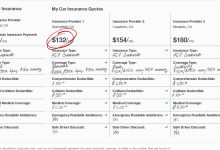
- Price: Get quotes from multiple insurance companies to compare prices and choose the most affordable option without compromising coverage.
- Claims Process: Evaluate the ease and efficiency of the claims process to ensure a hassle-free experience in the event of an accident.
Tips for Finding the Best Car Insurance Company
- Research: Take the time to research and compare multiple insurance companies to make an informed decision.
- Ask for Recommendations: Seek recommendations from friends, family, or online reviews to get insights into different insurance providers.
- Review Policy Details: Carefully review the policy details, including coverage limits and exclusions, before making a decision.
- Consider Discounts: Inquire about available discounts for factors like safe driving, bundling policies, or installing safety devices in your car.
Regulatory Environment and Car Insurance
Government regulations play a crucial role in the car insurance industry, shaping the requirements and options available to drivers. State laws have a significant influence on insurance mandates and coverage choices, creating a framework for how insurance companies operate within each state. Recent regulatory changes have also impacted car insurance policies, leading to shifts in coverage, pricing, and consumer protections.
Impact of State Laws on Insurance Requirements
State laws dictate the minimum insurance requirements that drivers must meet to legally operate a vehicle. These requirements can vary significantly from state to state, with some states mandating only liability coverage while others require additional options like personal injury protection or uninsured motorist coverage. It’s essential for drivers to understand their state’s insurance laws to ensure compliance and adequate protection in case of an accident.
Recent Regulatory Changes in Car Insurance
Recent regulatory changes have introduced new guidelines for car insurance companies, affecting how policies are priced and structured. For example, some states have implemented stricter regulations on rate setting practices, aiming to prevent unfair discrimination and ensure that premiums are based on relevant risk factors. Other changes may focus on enhancing consumer rights, such as improving transparency in policy terms and claims processes.
Government Oversight and Consumer Protection
Government agencies oversee the car insurance industry to safeguard consumer interests and ensure fair practices among insurance providers. By monitoring compliance with state laws and regulations, these agencies help maintain a competitive and transparent insurance market. Additionally, regulatory bodies may intervene in cases of fraud or misconduct, protecting both policyholders and the integrity of the insurance industry.
End of Discussion
Navigating the world of car insurance can be complex, but with the right knowledge, you can ensure you are adequately protected on the road. Remember to review your policy regularly and adjust it as needed to stay prepared for any unforeseen circumstances.

Storyteller and digital explorer covering the latest updates in business and lifestyle.
