When it comes to securing your financial future, cheap insurance plays a crucial role in providing affordable coverage. From understanding the concept to finding the right policy, delve into the realm of inexpensive insurance options that offer peace of mind without breaking the bank.
Understanding Cheap Insurance
When we talk about cheap insurance, we are referring to insurance policies that provide financial protection at a lower cost compared to other available options. The main goal is to secure coverage while keeping premiums affordable for individuals or businesses.
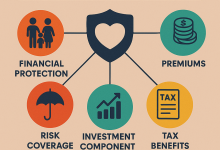

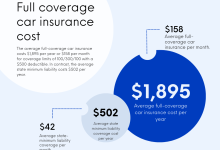



It is essential to have affordable insurance coverage as it helps protect against unexpected events that could lead to significant financial losses. By paying a relatively small premium, policyholders can transfer the risk to the insurance company, giving them peace of mind knowing they are financially protected.
Factors Affecting Insurance Costs
- Age and Gender: Younger individuals and women tend to pay lower premiums for certain types of insurance.
- Location: The area where you live can impact your insurance rates, especially for auto and home insurance.
- Driving Record: A clean driving record often results in lower car insurance premiums.
- Coverage Limits: Opting for higher deductibles or lower coverage limits can help reduce insurance costs.
Types of Cheap Insurance Plans
- Term Life Insurance: Provides coverage for a specific period at an affordable rate.
- Basic Health Insurance: Offers essential medical coverage at a lower cost.
- Liability-Only Auto Insurance: Covers damages to others at a lower premium without comprehensive coverage.
- Renter’s Insurance: Protects personal belongings in a rental property at a reasonable price.
Types of Cheap Insurance
When it comes to insurance, there are several types of coverage that are generally more affordable than others. Understanding these options can help you choose the right insurance that fits your budget and needs.
1. Liability Insurance
Liability insurance is one of the most common types of cheap insurance available. It provides coverage for damages or injuries caused to others by you or your property. This type of insurance is often required by law and is relatively inexpensive compared to other types of insurance.
2. Term Life Insurance
Term life insurance is a low-cost option that provides coverage for a specific period, usually ranging from 10 to 30 years. This type of insurance is ideal for individuals looking for temporary coverage at an affordable rate. However, it does not offer any cash value or investment component.
3. Personal Property Insurance
Personal property insurance covers your belongings, such as furniture, electronics, and clothing, in case of theft, damage, or loss. This type of insurance is typically cheaper than other property insurance options, like homeowners or renters insurance, as it focuses solely on personal items.
4. Health Savings Accounts (HSAs)
Health Savings Accounts (HSAs) are a type of insurance that allows individuals to save money tax-free for medical expenses. HSAs are often paired with high-deductible health insurance plans, which have lower premiums. This combination can be a cost-effective way to manage healthcare expenses.
Strategies to Find Affordable Insurance
Finding affordable insurance can be challenging, but with the right strategies, you can secure budget-friendly coverage that meets your needs. Here are some tips to help you navigate the process and save on insurance costs.
Utilize Online Comparison Tools
Utilize online comparison tools to easily compare quotes from multiple insurance providers. These tools can help you quickly identify the most cost-effective options available to you.
Work with Insurance Agents or Brokers
Insurance agents or brokers can help you navigate the complex world of insurance and find the best deals. They have access to a wide range of insurance products and can help you find discounts and offers that you may not be aware of on your own.
Leverage Discounts and Offers
Many insurance providers offer discounts for various reasons, such as bundling multiple policies, maintaining a clean driving record, or installing home security systems. Be sure to inquire about any available discounts that you may qualify for to reduce your insurance costs.
Compare Quotes from Different Providers
Comparing quotes from different insurance providers is essential to ensure you are getting the best deal. Prices can vary significantly between companies, so taking the time to compare quotes can help you find the most affordable coverage that meets your needs and budget.
Factors Affecting Insurance Costs
Insurance premiums are influenced by various factors that can impact the overall cost of coverage. Understanding these key factors can help individuals make informed decisions when selecting insurance plans.
Personal Factors Impacting Insurance Rates
- Age: Younger individuals typically pay higher premiums due to a higher likelihood of accidents and claims. On the other hand, older individuals may also face increased rates due to health concerns.
- Location: Where you live can significantly affect insurance costs. Urban areas with higher crime rates or more traffic congestion may result in higher premiums.
- Health: Your current health status and medical history play a crucial role in determining health insurance premiums. Pre-existing conditions may lead to higher costs.
Policy Features and Coverage Limits
- Deductibles: Choosing a higher deductible can lower premiums, but it also means you’ll pay more out of pocket in the event of a claim.
- Coverage Limits: The more coverage you have, the higher your premiums will be. It’s essential to strike a balance between adequate coverage and affordability.
- Policy Features: Additional features such as riders or add-ons can increase premiums. Evaluate whether these extras are necessary for your specific needs.
Lifestyle Choices and Insurance Affordability
- Smoking: Tobacco use can lead to higher health insurance premiums due to increased health risks associated with smoking.
- Driving Record: A history of traffic violations or accidents can result in higher auto insurance rates. Maintaining a clean driving record can help lower costs.
- Occupation: Certain professions may be considered riskier by insurance companies, leading to higher premiums. For example, jobs that involve a lot of physical labor may face higher disability insurance costs.
Risks of Opting for Extremely Cheap Insurance
When it comes to insurance, opting for the cheapest option available may seem like a wise choice to save money. However, there are significant risks associated with choosing extremely cheap insurance plans that consumers should be aware of. In this section, we will highlight the potential drawbacks of selecting the most budget-friendly insurance coverage and discuss how it can lead to financial risks in the long run.
Trade-offs Between Cost and Coverage
While cheap insurance plans may offer lower premiums, they often come with limited coverage. In an attempt to reduce costs, insurance companies may cut back on essential benefits, leaving policyholders vulnerable in times of need. It’s crucial to understand that opting for extremely cheap insurance could mean sacrificing adequate coverage for affordability.
- Reduced Coverage Limits: Very cheap insurance plans may have low coverage limits, leaving policyholders underinsured in the event of a claim.
- Lack of Comprehensive Benefits: Basic insurance plans at rock-bottom prices may not include essential benefits such as comprehensive coverage, roadside assistance, or rental car reimbursement.
- Higher Deductibles and Co-pays: Cheaper insurance options often come with higher deductibles and co-pays, meaning policyholders will have to pay more out of pocket before their coverage kicks in.
Financial Risks of Inadequate Coverage
Opting for extremely cheap insurance can expose individuals to significant financial risks in the long term. Inadequate coverage may result in out-of-pocket expenses that could be financially devastating, especially in the event of a major accident or unforeseen circumstances.
Choosing the cheapest insurance option available may save you money upfront, but it could end up costing you much more in the long run if you face a claim that exceeds your coverage limits.
Scenarios When Extremely Cheap Insurance is Not Advisable
There are certain situations where opting for the most inexpensive insurance plan may not be the best decision. It’s essential to consider the following scenarios where extremely cheap insurance could leave you vulnerable:
- High-Risk Drivers: Individuals with a history of accidents or traffic violations may not receive adequate coverage from extremely cheap insurance plans.
- Valuable Assets: If you own valuable assets such as a home, expensive vehicle, or business, opting for cheap insurance may not provide sufficient protection in case of damage or loss.
- Frequent Travelers: Travelers who rely on their insurance for medical coverage or trip protection should be cautious of extremely cheap travel insurance that may not offer comprehensive benefits.
Insurance Comparison Tools
When it comes to finding affordable insurance, utilizing online insurance comparison tools can be a game-changer. These platforms allow you to compare various insurance options side by side, helping you make an informed decision that best suits your needs and budget.
Benefits of Using Comparison Websites
- Save Time: Instead of manually researching and contacting multiple insurance providers, comparison tools streamline the process by displaying all available options in one place.
- Cost-Effective: By comparing prices and coverage features, you can identify the most cost-effective insurance plan that meets your requirements.
- Transparency: Comparison websites provide transparency in terms of pricing, coverage details, and customer reviews, enabling you to make a well-informed decision.
Step-by-Step Guide to Using Insurance Comparison Tools
- Begin by entering your relevant personal information, such as age, location, and insurance needs.
- Compare the insurance plans displayed based on premiums, deductibles, coverage limits, and additional benefits.
- Read reviews and ratings from other users to gauge the overall customer satisfaction with each insurance provider.
- Select the insurance plan that best fits your requirements and budget, and proceed with the application process through the comparison website.
Assistance in Making Informed Decisions
Insurance comparison tools play a crucial role in helping you make informed decisions regarding cheap insurance. By utilizing these platforms, you can weigh the pros and cons of each insurance option, ensuring that you choose a policy that not only saves you money but also provides adequate coverage for your needs.
Understanding Insurance Terms and Conditions
When dealing with cheap insurance policies, it is crucial to have a good understanding of the terms and conditions that come with them. This knowledge can help policyholders make informed decisions and avoid any surprises in the future.
Common Insurance Terms
- Premium: The amount of money paid to the insurance company in exchange for coverage.
- Deductible: The out-of-pocket amount the policyholder must pay before the insurance coverage kicks in.
- Policy Limit: The maximum amount the insurance company will pay for a covered loss.
Significance of Understanding Terms and Conditions
- Reading and understanding the terms and conditions can help policyholders know exactly what is covered and what is not.
- Being aware of clauses like exclusions and limitations can prevent unexpected financial burdens in case of a claim.
Impact on Insurance Cost
- Exclusions: Certain situations or items that are not covered by the policy, which can lead to additional expenses if not considered.
- Limitations: Restrictions on the amount of coverage provided, affecting the overall protection offered by the policy.
Selecting Cost-effective Coverage
- Understanding insurance terms can help policyholders compare different policies effectively and choose the most cost-effective option based on their needs.
- By knowing the terms and conditions, individuals can ensure they are not paying for coverage they do not require, saving money in the long run.
Customer Reviews and Feedback
Customer reviews play a crucial role in evaluating the quality of cheap insurance providers. They provide valuable insights into the experiences of policyholders and can help potential customers make informed decisions. When it comes to cheap insurance, understanding and analyzing customer feedback is essential to ensure that the coverage is both affordable and reliable.
Interpreting Customer Reviews
- Look for common themes and patterns in the feedback to get a sense of the overall satisfaction level.
- Pay attention to specific details mentioned by customers, such as claim processing, customer service, and premium affordability.
- Consider the credibility of the source of the review, such as reputable review websites or forums.
Researching Customer Experiences
- Explore multiple sources of reviews to get a well-rounded view of the insurance company’s reputation.
- Check for reviews from customers who have similar needs or circumstances to yours for more relevant insights.
- Take note of any trends in feedback regarding the reliability and trustworthiness of the insurance provider.
Considering Positive and Negative Reviews
- Balance positive reviews with negative ones to form a comprehensive understanding of the insurance company’s performance.
- Acknowledge any recurring issues raised in negative reviews and assess whether they are deal-breakers for you.
- Celebrate positive feedback but remain cautious of overly positive reviews that may be biased or fake.
Customizing Insurance Policies for Affordability
Customizing insurance policies can be a strategic way to make them more affordable without compromising on essential coverage. By exploring different options and tailoring your plan to meet specific budget constraints, you can ensure financial protection while keeping premiums manageable. It is crucial to review and update your policies regularly to maintain affordability and adjust them as needed.
Adjusting Coverage Limits
- Consider reducing coverage limits for certain aspects of your insurance policy that may not be as crucial for your current needs.
- Focus on the essential areas of coverage that align with your priorities and adjust the limits accordingly to lower premiums.
- Consult with your insurance provider to understand the implications of reducing coverage limits and ensure you are adequately protected.
Modifying Deductibles
- Increase your deductibles to lower your premiums, but make sure you have the financial means to cover the higher out-of-pocket expenses in case of a claim.
- By opting for a higher deductible, you can reduce your monthly premiums and make your insurance more affordable in the long run.
- Weigh the pros and cons of adjusting deductibles and choose a level that strikes a balance between savings and financial security.
Reviewing Policy Regularly
- Regularly review your insurance policy to ensure it aligns with your current needs and budget constraints.
- Update your policy as necessary to reflect any changes in your circumstances, such as income, assets, or liabilities.
- By staying proactive and making adjustments when needed, you can maintain an affordable insurance plan that provides adequate coverage.
Legal Regulations and Cheap Insurance
Insurance is a highly regulated industry, with various legal frameworks in place to ensure fair practices and protect consumers. Let’s explore the legal regulations that govern the pricing and sales of cheap insurance and their impact on affordability.
Role of Regulatory Bodies
Regulatory bodies such as the Insurance Regulatory and Development Authority (IRDA) play a crucial role in overseeing insurance companies’ operations. They set guidelines to ensure transparency, prevent fraud, and protect consumers from unfair pricing practices.
Impact of Legal Requirements on Affordability
Legal requirements, such as solvency margins and premium rate approvals, can impact the availability and cost of affordable insurance. These regulations aim to maintain the financial stability of insurance companies while also ensuring that insurance products remain accessible to the general public.
Examples of Laws and Regulations
– The Insurance Act, 1938: This legislation governs the insurance sector in India and lays down guidelines for the conduct of insurance business.
– The Consumer Protection Act, 2019: This act empowers consumers to seek redressal for any grievances they may have regarding insurance products or services.
– The Motor Vehicles Act, 1988: This law mandates third-party liability insurance for all motor vehicles plying on Indian roads, ensuring financial protection for accident victims.
Financial Planning and Cheap Insurance
When it comes to financial planning, selecting affordable insurance plays a crucial role in ensuring long-term stability and security. Integrating insurance costs into a comprehensive financial plan is essential for managing risks and protecting assets. Budgeting for insurance expenses can help individuals and families prepare for unexpected events and minimize financial strain in times of need. Cheap insurance, when chosen wisely, can fit seamlessly into an overall financial planning strategy, providing necessary coverage without breaking the bank.
The Importance of Budgeting for Insurance Expenses
It is crucial to allocate a portion of your budget towards insurance expenses to safeguard your financial well-being. By including insurance costs in your overall financial plan, you can protect yourself and your loved ones from unforeseen circumstances that could lead to financial hardship. Here are some tips on how to effectively budget for insurance expenses:
- Evaluate your insurance needs based on your lifestyle, assets, and future goals.
- Research different insurance options to find affordable coverage that meets your requirements.
- Review your existing insurance policies regularly to ensure they are up to date and cost-effective.
- Consider bundling insurance policies or adjusting coverage levels to reduce costs without sacrificing protection.
Examples of Integrating Cheap Insurance into Financial Planning
Integrating cheap insurance into your financial plan can help you achieve financial stability and peace of mind. Here are some examples of how affordable insurance can fit into an overall financial planning strategy:
- Choosing a high deductible health insurance plan to lower monthly premiums and save for future medical expenses.
- Opting for term life insurance to protect your family while keeping costs low compared to whole life insurance.
- Selecting a basic auto insurance policy with essential coverage to comply with legal requirements and reduce premium costs.
- Purchasing renter’s insurance to protect your belongings and liability at a reasonable cost, especially if you are renting a property.
Final Review
Exploring the realm of cheap insurance unveils a world of possibilities where financial protection meets affordability. With the right knowledge and tools at your disposal, navigating the landscape of insurance becomes a seamless journey towards a secure tomorrow.

Storyteller and digital explorer covering the latest updates in business and lifestyle.