Life insurance is not just about financial protection; it’s about securing a future for your loved ones and finding peace of mind in uncertain times.
Explore the different types of policies, factors to consider when choosing one, and the benefits that go beyond a simple death benefit.
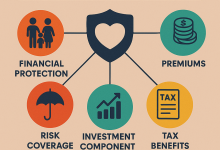




Importance of Life Insurance
Life insurance plays a crucial role in providing financial security and peace of mind to individuals and their loved ones. In the event of an unexpected death, life insurance can offer a safety net to cover expenses and ensure the well-being of those left behind.
Financial Security for Loved Ones
Life insurance serves as a crucial tool to protect the financial future of your family and loved ones. In the event of your passing, life insurance can provide a lump sum payment to cover expenses such as mortgage payments, educational costs, and everyday living expenses. This ensures that your loved ones are not burdened with financial struggles during a difficult time.
Peace of Mind
Knowing that you have a life insurance policy in place can offer peace of mind to individuals, knowing that their loved ones will be taken care of financially. This peace of mind allows individuals to focus on living their lives without the constant worry of what might happen if they were no longer around to provide for their family.
Benefits Beyond Financial Protection
Life insurance can offer benefits beyond just financial protection. Some policies may include features such as living benefits, which allow policyholders to access funds in case of a critical illness or disability. Additionally, life insurance can be used as a tool for estate planning, charitable giving, and business succession.
Types of Life Insurance Policies
Life insurance policies come in various forms to cater to different needs and preferences. Two common types are term life insurance and whole life insurance. Let’s compare and contrast these two, along with exploring other types of life insurance policies.
Term Life Insurance vs. Whole Life Insurance
- Term Life Insurance:
- Provides coverage for a specific period, such as 10, 20, or 30 years.
- Generally more affordable than whole life insurance.
- Does not have cash value or investment component.
- Often chosen for temporary needs, like covering a mortgage or children’s education.
- Whole Life Insurance:
- Provides coverage for the entire lifetime of the insured individual.
- Accumulates cash value over time, which can be borrowed against or withdrawn.
- Premiums are higher compared to term life insurance.
- Offers a death benefit and a savings component.
Other Types of Life Insurance Policies
- Universal Life Insurance:
- Combines a death benefit with a savings component.
- Offers flexibility in premium payments and death benefits.
- Accrues cash value based on a set interest rate.
- Variable Life Insurance:
- Allows policyholders to invest premiums in sub-accounts, similar to mutual funds.
- Cash value and death benefit can fluctuate based on the performance of the investments.
- Offers potential for higher returns but also comes with higher risks.
Each type of life insurance policy has unique features that cater to different financial goals and risk tolerances. It’s essential to consider factors like premiums, coverage, and benefits when selecting the most suitable policy for your individual needs.
Factors to Consider When Choosing Life Insurance
When selecting a life insurance policy, there are several key factors that individuals need to take into consideration to ensure they are adequately protected and their needs are met. Factors such as age, health, income, and financial goals play a crucial role in determining the type and amount of coverage that is suitable for each individual.
Age
Age is a significant factor when choosing life insurance as it can affect the cost of premiums. Generally, the younger you are when you purchase a policy, the lower the premiums will be. It’s essential to consider your age and how long you will need coverage for when selecting a policy.
Health
Your health status will also impact the type of life insurance policy you can qualify for and the cost of premiums. Individuals with pre-existing health conditions may have limited options or higher premiums. It’s important to assess your health and disclose any medical conditions when applying for life insurance.
Income and Financial Goals
Your income level and financial goals will determine how much coverage you need to protect your loved ones financially in case of your untimely death. Consider your current income, debts, expenses, and future financial obligations when deciding on the coverage amount.
Assess Coverage Needs
Before purchasing life insurance, it is crucial to assess your coverage needs carefully. Take into account factors such as outstanding debts, mortgage, education expenses for children, and future income replacement for your family. Evaluating your financial situation will help you determine the appropriate amount of coverage.
Determine Coverage Amount
To determine the right amount of coverage, consider factors like your current assets, liabilities, and future financial goals. It’s recommended to have enough coverage to replace your income for several years and cover major expenses. Calculators and professional advice can help you determine the appropriate coverage amount for your individual or family needs.
Process of Applying for Life Insurance
Applying for a life insurance policy involves several important steps that can impact the approval process.
Underwriting Process
The underwriting process is where the insurance company evaluates the risk of insuring an individual. Factors such as age, health, lifestyle, and occupation are taken into consideration. This evaluation helps determine the premium amount and coverage options for the applicant.
Role of Medical Exams and Documentation
Medical exams and documentation play a crucial role in the life insurance application process. Insurance companies may require a medical exam to assess the applicant’s health status accurately. Additionally, providing detailed medical history and documentation helps in the underwriting process and can affect the approval of the application.
Tips to Expedite the Application Process
– Ensure you have all necessary documentation ready before applying.
– Be honest and transparent in providing information to avoid delays in the underwriting process.
– Consider working with an insurance agent or broker who can guide you through the application process efficiently.
– Opt for a simplified issue policy if you want to expedite the process and avoid medical exams, although coverage may be limited.
Benefits of Life Insurance Beyond Death Benefit
Life insurance offers various benefits beyond just providing a death benefit to beneficiaries. These living benefits can be crucial in financial planning and security during your lifetime.
Investment and Retirement Planning Tool
Life insurance can serve as an effective investment and retirement planning tool. Permanent life insurance policies, such as whole life or universal life, accumulate cash value over time. This cash value grows tax-deferred and can be accessed through policy loans or withdrawals to supplement retirement income or cover unexpected expenses.
Cash Value in Permanent Life Insurance
Permanent life insurance policies have a cash value component that grows over time. This cash value can be used for various purposes, such as funding a child’s education, starting a business, or supplementing retirement income. The cash value can also act as a source of emergency funds or collateral for a loan.
Riders and Additional Features
Life insurance policies often come with riders or additional features that enhance their benefits. For example, a critical illness rider provides a lump-sum payment if the insured is diagnosed with a covered critical illness. Accelerated death benefit riders allow the policyholder to access a portion of the death benefit if diagnosed with a terminal illness. These riders can provide financial support during difficult times and enhance the overall protection offered by the life insurance policy.
Life Insurance and Estate Planning
Life insurance plays a crucial role in estate planning by providing financial security for your loved ones after you pass away. It can help cover estate taxes, debts, and other expenses, ensuring that your assets are distributed according to your wishes. Incorporating life insurance into your overall estate plan can offer peace of mind and facilitate the transfer of wealth to future generations.
Role of Life Insurance in Estate Planning
Life insurance can help cover estate taxes and other expenses that may arise upon your death, ensuring that your beneficiaries receive the full value of your estate without having to sell assets to pay off debts. By designating beneficiaries and setting up a trust, you can ensure that your loved ones are financially protected in the event of your passing.
Strategies for Incorporating Life Insurance into Estate Planning
– Utilize life insurance to equalize inheritance among beneficiaries.
– Create an irrevocable life insurance trust (ILIT) to avoid estate taxes on the policy proceeds.
– Consider using life insurance as a way to leave a legacy for future generations.
– Review your estate plan regularly to ensure that your life insurance coverage aligns with your overall financial goals.
Examples of Life Insurance in Wealth Transfer
– A parent purchasing a life insurance policy to provide for their children’s education expenses.
– Grandparents using life insurance to leave a financial legacy for their grandchildren.
– High-net-worth individuals using life insurance to protect assets and facilitate efficient wealth transfer.
Common Myths About Life Insurance
Life insurance is often misunderstood, leading to various myths and misconceptions that can prevent individuals from securing the protection they need. Let’s debunk some common myths and provide clarity on the importance of life insurance.
Myth: Life Insurance is Expensive and Unaffordable
Contrary to popular belief, life insurance can be quite affordable, especially when purchased at a younger age. In fact, the cost of life insurance has decreased over the years due to increased competition among insurance providers. According to the Insurance Information Institute, the average cost of life insurance has dropped by 50% in the last decade.
Myth: Only the Breadwinner Needs Life Insurance
While it is essential for the primary breadwinner to have life insurance coverage, stay-at-home parents should also be insured. The services they provide, such as childcare and household management, have economic value that would need to be replaced in their absence. Life insurance can provide financial support to cover these expenses.
Myth: Life Insurance is Only for Older Individuals
Young, healthy individuals can benefit greatly from purchasing life insurance at a younger age. Not only are premiums lower for younger policyholders, but securing coverage early can also protect against unforeseen health issues that may arise later in life. It’s never too early to consider life insurance as a form of financial security.
Myth: Life Insurance Payouts are Taxable
In most cases, life insurance payouts are not taxable. The beneficiaries receive the death benefit free of federal income tax, providing a tax-free source of financial support during a difficult time. This makes life insurance an attractive option for estate planning and ensuring loved ones are financially protected.
Myth: Life Insurance is Only Beneficial After Death
Life insurance can provide benefits beyond the death benefit. Some policies offer living benefits, such as cash value accumulation and the option to take out a loan against the policy. These features can be utilized during the policyholder’s lifetime for various financial needs, including emergencies or retirement planning.
Myth: Life Insurance is Complicated and Time-Consuming to Apply for
Applying for life insurance has become more streamlined and efficient with the use of technology. Many insurance providers offer online applications and expedited underwriting processes, making it easier than ever to secure coverage. Additionally, working with a knowledgeable insurance agent can help navigate the process and find the right policy for your needs.
Myth: Life Insurance is Only Necessary for Families with Children
While having dependents is a common reason to purchase life insurance, individuals without children can still benefit from coverage. Life insurance can help cover funeral expenses, outstanding debts, or provide a financial legacy for loved ones. It’s a valuable tool for anyone looking to protect their financial future.
Life Insurance Coverage During Critical Illness
Life insurance coverage during critical illness plays a crucial role in providing financial protection and support during challenging times. It offers an additional layer of security by ensuring that policyholders have access to funds when facing serious health issues.
Importance of Critical Illness Coverage
Critical illness coverage in life insurance policies is essential as it helps policyholders cope with the financial burden that comes with a serious illness. It provides a lump sum payment upon diagnosis of a covered critical illness, which can be used to cover medical expenses, ongoing care, or even to replace lost income during treatment.
- Critical illness coverage ensures that policyholders can focus on their recovery without worrying about the financial impact of their illness.
- It offers peace of mind to individuals and their families, knowing that they have financial support in place in case of a health crisis.
- Having critical illness coverage can prevent policyholders from depleting their savings or retirement funds to cover medical expenses.
How Critical Illness Riders Work and What They Cover
Critical illness riders are add-on benefits that can be included in a life insurance policy for an additional premium. These riders provide coverage for specific critical illnesses as defined in the policy contract. When a policyholder is diagnosed with a covered critical illness, they receive a lump sum payment, separate from the death benefit of the policy.
- Common critical illnesses covered by riders include cancer, heart attack, stroke, organ transplant, and major organ failure.
- The lump sum payment received can be used at the policyholder’s discretion, whether for medical treatments, home modifications, or other financial needs.
- Critical illness riders typically have specific criteria for the severity of the illness and the survival period required to qualify for the benefit.
Impact of Critical Illness Coverage on Financial Stability
Having critical illness coverage in a life insurance policy can significantly impact an individual’s financial stability during health crises. It ensures that they have access to funds to cover medical expenses, ongoing care, and other financial obligations without dipping into their savings or retirement funds.
“Critical illness coverage provides a financial safety net for policyholders, allowing them to focus on their recovery and well-being without worrying about the financial repercussions of a serious illness.”
Life Insurance for Different Life Stages
Life insurance needs vary depending on the stage of life an individual is in. It is essential to review and adjust coverage as life circumstances evolve to ensure adequate protection. Here are some tips on optimizing life insurance based on different life stages and future goals.
Single Individuals
For single individuals, life insurance may not be a top priority. However, it can still be beneficial to have a basic policy to cover any outstanding debts or funeral expenses. Consider a term life insurance policy that is affordable and provides coverage for a specific period.
Married Couples
Married couples may have shared financial responsibilities and dependents. It is crucial to have life insurance to protect each other in case of unexpected events. A joint life insurance policy or separate policies can ensure financial stability for the surviving spouse.
Parents
Parents have added responsibilities as they need to secure their children’s future in case something happens to them. Consider a comprehensive life insurance policy that covers not only the parents but also provides for the children’s education and other needs.
Retirees
Retirees may have paid off debts and no longer have dependents. However, life insurance can still be useful to cover final expenses and leave a legacy for loved ones. Consider a whole life insurance policy that can also serve as an investment vehicle.
Life insurance needs change over time, and it is essential to review coverage regularly to ensure it aligns with current life stages and future goals. By adapting life insurance to meet changing needs, individuals can secure financial protection for themselves and their loved ones.
Factors Affecting Life Insurance Premiums
Life insurance premiums are influenced by several key factors that insurers consider when determining the cost of coverage. These factors play a crucial role in assessing the level of risk associated with insuring an individual and ultimately impact the premium amount.
Age
Age is a significant factor in determining life insurance premiums. Generally, younger individuals are charged lower premiums as they are considered to be at a lower risk of mortality compared to older individuals.
Health
The health condition of an individual is a critical factor in calculating life insurance premiums. Insurers assess factors such as medical history, current health status, and lifestyle habits to determine the level of risk. Those with pre-existing health conditions may face higher premiums.
Lifestyle
Lifestyle choices such as smoking, excessive alcohol consumption, or engaging in high-risk activities can impact life insurance premiums. Insurers view these behaviors as increasing the likelihood of premature death, leading to higher premium costs.
Occupation
The nature of one’s occupation also plays a role in determining life insurance premiums. Individuals working in high-risk or hazardous professions may face higher premiums due to the increased chance of workplace accidents or injuries.
Coverage Amount
The coverage amount chosen by an individual directly impacts the premium cost. Higher coverage amounts mean a greater financial risk for the insurer, resulting in higher premiums.
Strategies to Lower Premiums
Individuals can take steps to lower their life insurance premiums, such as maintaining a healthy lifestyle, quitting smoking, and opting for term insurance instead of whole life insurance. Regular health check-ups and driving safely can also help reduce premiums.
Role of Underwriting and Risk Assessment
Underwriting and risk assessment processes are crucial in determining life insurance rates. Insurers evaluate various factors to assess the level of risk associated with insuring an individual, which directly influences the premium amount.
Final Review
As you navigate the complexities of life insurance, remember that it’s more than just a policy—it’s a safeguard, an investment, and a legacy for generations to come.

Storyteller and digital explorer covering the latest updates in business and lifestyle.