Insurance quotes play a crucial role in helping individuals make informed decisions about coverage options and potentially save money. Let’s delve into the world of insurance quotes to uncover valuable insights and tips.
Importance of Insurance Quotes
Insurance quotes play a crucial role in helping individuals make informed decisions about their insurance coverage options. By obtaining insurance quotes from multiple providers, individuals can compare prices, coverage options, and terms to find the best policy that suits their needs and budget.





Benefits of Comparing Insurance Quotes
- Allows individuals to compare prices and find the most affordable policy.
- Helps in understanding the different coverage options available from various insurance providers.
- Enables individuals to identify any gaps in coverage and make sure they are adequately protected.
- Provides an opportunity to review customer reviews and ratings to assess the reputation of the insurance company.
How Insurance Quotes Help in Making Informed Decisions
Insurance quotes empower individuals to make educated decisions about their insurance needs. By comparing quotes, individuals can evaluate the cost-benefit ratio of each policy, understand the coverage details, and choose the best option that aligns with their requirements and financial capabilities.
Types of Insurance Quotes
When it comes to insurance, there are various types of insurance quotes available to cover different aspects of life. The most common types include auto insurance, home insurance, life insurance, and health insurance. Each type serves a specific purpose and provides coverage for different situations.
Auto Insurance
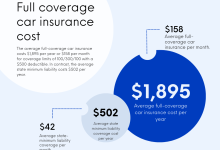
Auto insurance is designed to protect individuals against financial loss in case of an accident or theft involving their vehicles. Factors that influence auto insurance quotes include the driver’s age, driving record, type of vehicle, and coverage limits.
Home Insurance
Home insurance offers financial protection against damages to a home and its contents. Factors such as the location of the home, its age, the construction materials used, and the coverage amount can impact home insurance quotes.
Life Insurance
Life insurance provides a payout to beneficiaries upon the policyholder’s death. Factors like the policyholder’s age, health condition, and coverage amount influence life insurance quotes. There are different types of life insurance, such as term life and whole life, each with its own pricing structure.
Health Insurance
Health insurance covers medical expenses and provides financial protection in case of illness or injury. Factors affecting health insurance quotes include the individual’s age, medical history, coverage options, and the insurance provider’s network of healthcare providers.
Factors Affecting Insurance Quotes
When insurance companies generate quotes for potential customers, they take into account various factors to determine the risk and cost associated with providing coverage. These factors can significantly impact the final insurance quote offered to an individual.
Personal Information
- Age: Younger drivers are typically charged higher premiums due to their lack of driving experience and higher likelihood of being involved in accidents.
- Location: The area where you reside can influence your insurance premium, with higher crime rates or accident rates in your area potentially leading to higher quotes.
- Driving Record: Your past driving history, including any traffic violations or accidents, can impact your insurance rate. A clean driving record often results in lower premiums.
Coverage Limits and Deductibles
- Coverage Limits: The amount of coverage you choose for your policy can affect your insurance quote. Higher coverage limits mean more protection but also come with higher premiums.
- Deductibles: The deductible is the amount you agree to pay out of pocket before your insurance coverage kicks in. Choosing a higher deductible can lower your premium, but you’ll have to pay more in case of a claim.
Obtaining Insurance Quotes
Obtaining insurance quotes online can be a convenient and efficient way to compare different options and find the best coverage for your needs. Here are the steps involved in obtaining insurance quotes, the information typically required, and tips on how to effectively compare quotes from different providers.
Steps Involved in Obtaining Insurance Quotes Online
- Research and Identify Providers: Start by researching and identifying reputable insurance providers that offer the type of coverage you need.
- Visit Provider Websites: Visit the websites of the insurance providers to request a quote online.
- Fill Out Quote Forms: Fill out the online quote forms, providing accurate information about yourself, your vehicle, property, or any other assets you wish to insure.
- Review and Compare Quotes: Once you receive the insurance quotes, carefully review and compare the coverage options, premiums, deductibles, and any additional benefits offered by each provider.
- Contact Providers: If you have any questions or need clarification, don’t hesitate to contact the insurance providers directly for more information.
Information Required for Accurate Insurance Quotes
- Personal Information: Name, address, contact details, date of birth, and occupation.
- Details of Assets: Information about the assets you wish to insure, such as vehicles, property, or valuable items.
- Driving Record: For auto insurance, details of your driving record may be required.
- Insurance History: Information about your current or previous insurance coverage.
Tips for Comparing Insurance Quotes
- Compare Coverage: Ensure you compare the coverage options offered by different providers to see which one best meets your needs.
- Consider Premiums and Deductibles: Look at the premiums and deductibles associated with each quote to determine the overall cost of coverage.
- Check for Discounts: Inquire about any discounts or special offers that may apply to reduce the cost of insurance.
- Read the Fine Print: Pay attention to the terms and conditions of the policies to understand any limitations or exclusions.
- Ask Questions: Don’t hesitate to ask questions and seek clarification from the insurance providers to make an informed decision.
Understanding Insurance Premiums
Insurance premiums are the amount of money that an individual or business pays for an insurance policy. They are typically paid on a regular basis, such as monthly or annually, to keep the insurance policy active. Understanding the relationship between insurance quotes and insurance premiums is crucial, as insurance quotes provide an estimate of the cost of the insurance policy, while insurance premiums are the actual amount that needs to be paid.
Calculation of Insurance Premiums
Insurance premiums are calculated based on various factors that are provided in the insurance quotes. These factors include the type of coverage needed, the level of coverage desired, the deductible amount, the individual’s or business’s risk profile, and the insurance company’s underwriting criteria. For example, a higher coverage amount or a lower deductible will typically result in a higher insurance premium.
- The type of coverage needed: Different types of insurance, such as auto, home, health, or life insurance, have different premium calculations based on the risks associated with each type of coverage.
- The level of coverage desired: The more coverage an individual or business wants, the higher the insurance premium will be.
- The deductible amount: A lower deductible means the insurance company will pay out more in the event of a claim, resulting in a higher premium.
- Risk profile: Factors such as age, driving record, credit score, and claims history can impact the insurance premium quoted.
Factors Impacting Insurance Premiums
Various factors can impact the insurance premiums quoted for an insurance policy. For example, a young driver with a history of accidents may have a higher auto insurance premium compared to an older driver with a clean driving record. Similarly, a business operating in a high-risk industry may pay more for liability insurance compared to a business in a low-risk industry.
- Age and gender of the insured
- Driving record for auto insurance
- Location of the insured
- Type of coverage and level of coverage desired
- Claims history
Importance of Accuracy in Insurance Quotes
Accurate information is crucial when obtaining insurance quotes as it directly impacts the coverage, premiums, and overall financial protection provided by the insurance policy. Providing precise details ensures that the insurance company can offer a quote tailored to your specific needs and circumstances.
Consequences of Providing Inaccurate or Incomplete Information
- Higher premiums: Inaccurate information can lead to underestimated risks, resulting in lower premiums that do not adequately cover potential claims.
- Claim denials: If the information provided is found to be false after a claim is made, the insurance company may deny coverage, leaving you financially responsible for the damages.
- Policy cancellation: Inaccurate information can void your policy, leaving you without coverage when you need it the most.
Recommendations for Ensuring Accuracy in Insurance Quotes
- Provide complete information: Make sure to disclose all relevant details requested by the insurance company to receive an accurate quote.
- Double-check information: Review the information you provide to ensure accuracy and update it if there have been any changes since your last policy.
- Seek clarification: If you are unsure about any information requested, do not hesitate to ask the insurance agent for clarification to avoid misunderstandings.
- Be honest: Always be truthful in your responses as honesty is key to receiving appropriate coverage and avoiding potential issues in the future.
Online Tools for Comparing Insurance Quotes
When it comes to comparing insurance quotes, online tools can be incredibly helpful in streamlining the process and helping individuals find the best coverage at the most competitive rates. These platforms allow users to easily input their information once and receive multiple quotes from different insurance providers, saving time and effort.
Popular Online Platforms for Comparing Insurance Quotes
- 1. Policygenius: Policygenius is a popular online platform that offers a wide range of insurance products, including life, auto, home, and renters insurance. Users can compare quotes from top insurance companies and easily find the best coverage for their needs.
- 2. Insurify: Insurify is known for its AI-powered virtual agent that helps users compare insurance quotes quickly and efficiently. The platform also provides personalized recommendations based on individual needs and preferences.
- 3. The Zebra: The Zebra specializes in auto insurance comparison, allowing users to compare quotes from over 200 insurance companies. The platform makes it easy to find the best rates and coverage options for car insurance.
Features and Benefits of Online Tools for Comparing Insurance Quotes
- Convenience: Online tools save time by providing multiple quotes in one place, eliminating the need to visit individual insurance websites.
- Comparison: Users can easily compare coverage options, deductibles, and premiums from different insurance providers to make an informed decision.
- Cost Savings: By comparing quotes, individuals can find the most affordable insurance policies that meet their needs without sacrificing coverage.
- Personalization: Some online tools offer personalized recommendations based on the user’s information and insurance preferences.
Simplifying the Process of Obtaining and Comparing Insurance Quotes
Using online tools for comparing insurance quotes simplifies the process by centralizing all relevant information in one place. Users can input their details once and receive multiple quotes instantly, allowing them to make a side-by-side comparison of coverage options and prices. These tools also provide transparency in the insurance market, helping individuals make well-informed decisions about their insurance needs.
Tips for Saving Money on Insurance Quotes
When it comes to insurance, finding ways to save money on quotes can make a significant impact on your overall financial well-being. By leveraging discounts, incentives, and negotiating skills, you can lower your insurance premiums without compromising the coverage you need.
Leverage Discounts and Incentives
- Bundle Policies: Consider bundling multiple insurance policies with the same provider to qualify for a multi-policy discount.
- Safe Driver Discounts: Maintain a clean driving record to be eligible for discounts on auto insurance premiums.
- Home Security Systems: Install security systems in your home to reduce the risk of theft and qualify for lower homeowners insurance rates.
- Higher Deductibles: Opt for higher deductibles on your insurance policies to lower your premiums, but ensure you can afford the out-of-pocket expenses if you need to make a claim.
Negotiate with Providers
- Shop Around: Compare quotes from multiple insurers and use the information to negotiate better rates with your current provider.
- Review Coverage Limits: Adjust your coverage limits based on your actual needs to potentially lower your premiums.
- Ask for Discounts: Inquire about available discounts or promotions that you may qualify for but are not automatically applied to your policy.
- Consider Paying in Full: Some insurers offer discounts for paying your premium in full upfront rather than in monthly installments.
Importance of Reviewing Insurance Quotes Regularly
Regularly reviewing insurance quotes is crucial to ensure that you have the most up-to-date and accurate coverage for your needs. By staying informed about changes in insurance quotes over time, you can make sure you are getting the best value for your money and that you are adequately protected in case of unexpected events.
When to Review and Update Insurance Quotes
There are several situations that may warrant a review and update of your insurance quotes:
- Major life changes such as getting married, having children, buying a new home, or changing jobs
- Changes in your financial situation or assets
- Significant changes in the insurance market or regulations
- Renewal of your current policy
Benefits of Staying Informed About Changes in Insurance Quotes
Staying informed about changes in insurance quotes over time can offer several benefits:
- Ensuring you have adequate coverage for your current needs
- Identifying potential cost savings or discounts
- Being prepared for unexpected events or emergencies
- Peace of mind knowing that you are well-protected
Final Conclusion
Exploring the realm of insurance quotes has shed light on their importance and the various factors influencing them. By reviewing and comparing quotes regularly, individuals can stay informed and potentially secure better deals.

Storyteller and digital explorer covering the latest updates in business and lifestyle.