Cheap car insurance is a crucial aspect for drivers seeking financial security and peace of mind. Exploring the nuances of affordable coverage can help individuals make informed decisions and save money in the long run.
When it comes to ensuring your vehicle and your wallet are protected, understanding the ins and outs of cheap car insurance is key.





Importance of Cheap Car Insurance
Car insurance is a crucial aspect of responsible driving, providing financial protection in case of unforeseen circumstances. Having affordable car insurance is essential for drivers of all ages and experience levels.
Financial Security in Case of Accidents
Cheap car insurance can offer peace of mind by covering the costs of repairs, medical expenses, and legal fees in the event of an accident. This financial security ensures that drivers are not left with a hefty bill to pay out of pocket.
Benefits of Cheap Car Insurance vs. Expensive Policies
- Affordable premiums: Cheap car insurance offers lower monthly payments, making it easier for drivers to budget and maintain coverage.
- Sufficient coverage: Despite the lower cost, cheap car insurance policies can still provide adequate coverage for various types of accidents and damages.
- Quick claims processing: Some cheap car insurance providers offer efficient claims processing, ensuring that drivers receive compensation promptly.
- Coverage options: Even with lower premiums, cheap car insurance policies may offer flexible coverage options to suit individual needs and preferences.
Factors Affecting Car Insurance Costs
When it comes to determining the cost of car insurance, several factors come into play that can significantly impact the premiums you pay. Understanding these factors can help you make informed decisions when selecting an insurance plan.
Age
Age is a crucial factor that insurance companies consider when calculating premiums. Younger drivers, especially those under 25, are often charged higher rates due to their lack of driving experience and higher likelihood of being involved in accidents. On the other hand, older drivers, typically over 65, may also face increased premiums due to age-related factors that could impact their driving abilities.
Driving Record
Your driving record plays a significant role in determining your insurance costs. A clean driving record with no accidents or traffic violations can result in lower premiums, as it demonstrates responsible driving behavior. Conversely, a history of accidents, speeding tickets, or DUI convictions can lead to higher insurance rates.
Type of Vehicle
The type of vehicle you drive can also affect your insurance premiums. Factors such as the make and model of your car, its age, safety features, and likelihood of theft all contribute to the cost of insurance. Generally, expensive or high-performance vehicles will have higher insurance premiums compared to more affordable and safer models.
Location and Coverage Limits
Where you live and the coverage limits you choose can impact the affordability of your car insurance. Urban areas with higher rates of accidents and theft may result in higher premiums. Additionally, opting for lower coverage limits can reduce your premiums but may leave you financially vulnerable in the event of an accident. It’s essential to strike a balance between cost and coverage to ensure you are adequately protected.
Types of Coverage in Cheap Car Insurance
When it comes to affordable car insurance, there are various types of coverage options available to suit different needs and budgets. Understanding the differences between liability, collision, and comprehensive coverage can help you make informed decisions when choosing the right insurance plan for your vehicle.
Liability Coverage
Liability coverage is typically the most basic type of car insurance required by law in most states. This coverage helps pay for damages and injuries you cause to others in an accident. It does not cover your own car repairs or medical expenses.
Collision Coverage
Collision coverage helps pay for repairs to your own vehicle if it is damaged in a car accident, regardless of who is at fault. This coverage is especially important if you have a newer or more valuable car that you want to protect.
Comprehensive Coverage
Comprehensive coverage protects your vehicle from non-collision related incidents, such as theft, vandalism, or natural disasters. It can help cover the cost of repairs or replacement of your car in these situations.
Optional Coverage: Roadside Assistance
Adding optional coverage like roadside assistance to your cheap car insurance policy can provide you with peace of mind on the road. This coverage can help you with services like towing, flat tire changes, battery jumps, and more in case of emergencies.
Tips for Finding Cheap Car Insurance
Finding affordable car insurance can be a daunting task, but with the right strategies, you can save money without compromising on coverage. Here are some tips to help you find cheap car insurance:
Comparing Quotes from Different Insurance Providers
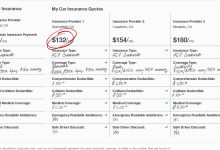
When looking for cheap car insurance, it’s crucial to compare quotes from multiple insurance providers. Requesting quotes from different companies will allow you to find the best deal that meets your budget and coverage needs.
- Utilize online comparison tools to easily compare quotes from various insurers.
- Consider reaching out to local agents or brokers who can provide personalized quotes based on your specific situation.
- Look for discounts and special offers that different insurers may provide to lower your premiums.
- Review the coverage options and deductibles offered by each insurer to ensure you are getting the best value for your money.
Importance of Bundling Policies
Bundling your car insurance with other policies, such as home or renters insurance, can lead to significant savings. Many insurance companies offer discounts for customers who purchase multiple policies from them.
- Check with your insurance provider to see if bundling policies can result in lower premiums for your car insurance.
- Consolidating your insurance policies with one provider can simplify the payment process and potentially save you money in the long run.
- Be sure to compare the total cost of bundling policies versus purchasing separate policies to ensure you are getting the best deal.
Improving Driving Habits for Lower Rates
Your driving record plays a significant role in determining your car insurance rates. By practicing safe driving habits, you can potentially qualify for lower premiums from insurance providers.
- Obey traffic laws and avoid speeding tickets or traffic violations that can increase your insurance rates.
- Consider enrolling in defensive driving courses to improve your driving skills and potentially earn a discount on your car insurance.
- Drive less frequently or carpool to reduce your mileage and qualify for lower rates based on your decreased risk of accidents.
Common Misconceptions about Cheap Car Insurance
When it comes to cheap car insurance, there are several misconceptions that can lead to confusion. Let’s debunk some of the common myths and clarify the importance of understanding your policy details.
Cheap Car Insurance Means Low Coverage
One of the biggest misconceptions about affordable car insurance is that it automatically translates to low coverage and inadequate protection. In reality, the cost of car insurance is influenced by various factors such as your driving record, age, type of car, and location. While cheap car insurance may have lower premiums, it doesn’t necessarily mean sacrificing coverage quality.
Reading Policy Details is Unnecessary
Some people believe that reading through the policy details of cheap car insurance is not important since they assume all policies are the same. However, it is crucial to understand your coverage limits, deductibles, and exclusions to avoid any surprises in the event of an accident. By knowing what your policy includes, you can make informed decisions and ensure you have the right level of protection.
Impact of Credit Score on Car Insurance Rates
Having a good credit score can significantly affect the cost of your car insurance premiums. Insurance companies often use credit scores as one of the factors to determine the level of risk associated with insuring a particular individual.
How Credit Score Affects Insurance Costs
Insurance companies view individuals with higher credit scores as more financially responsible and less risky to insure. As a result, those with good credit scores are likely to receive lower insurance premiums compared to those with poor credit scores.
Ways to Improve Credit Score for Cheaper Insurance Premiums
- Pay bills on time to avoid late payments that can negatively impact your credit score.
- Keep credit card balances low and pay off debts to reduce overall credit utilization.
- Regularly check your credit report for errors and dispute any inaccuracies to improve your score.
Comparison of Rates for Good Credit vs. Poor Credit
Individuals with good credit scores can save hundreds of dollars on their car insurance premiums compared to those with poor credit scores. The difference in rates can be substantial, making it essential to maintain a good credit score for affordable insurance coverage.
State-specific Regulations for Car Insurance
State-specific regulations play a crucial role in determining the availability and cost of car insurance. Each state has its own set of laws and requirements that insurance companies must follow, which can impact the coverage options and premiums offered to drivers.
Mandatory Coverage Requirements
In the United States, car insurance requirements vary from state to state. While liability insurance is mandatory in almost every state, the minimum coverage limits and additional coverage requirements can differ significantly. For example, some states may require personal injury protection (PIP) or uninsured/underinsured motorist coverage in addition to liability insurance.
- In California, drivers must carry liability insurance with minimum coverage limits of $15,000 for bodily injury per person, $30,000 for bodily injury per accident, and $5,000 for property damage.
- On the other hand, in New Hampshire, drivers are not required to carry auto insurance as long as they can demonstrate financial responsibility in the event of an accident.
Understanding State Laws for Cheaper Options
By understanding the specific car insurance laws in their state, drivers can make informed decisions to find cheaper insurance options. For example, knowing the minimum liability limits required can help drivers choose the most cost-effective coverage that still meets legal requirements. Additionally, being aware of any additional coverage mandates can prevent drivers from overpaying for unnecessary options.
- Drivers in states with no-fault insurance laws, such as Florida and Michigan, may benefit from purchasing additional personal injury protection (PIP) coverage to cover medical expenses regardless of fault.
- Understanding the uninsured/underinsured motorist coverage requirements in states like Illinois and New Mexico can help drivers protect themselves in case of accidents with drivers who lack sufficient insurance.
Discounts and Savings Opportunities in Cheap Car Insurance
When it comes to saving money on car insurance, taking advantage of discounts and savings opportunities can significantly reduce your premiums. Insurance companies offer various discounts based on factors like safe driving habits, vehicle safety features, and customer loyalty. By understanding these discounts and how to qualify for them, you can lower the overall cost of your car insurance.
Common Discounts Offered by Insurance Companies
- Multi-policy discount: Save money by bundling your car insurance with other policies like homeowners or renters insurance.
- Safe driver discount: Maintain a clean driving record with no accidents or traffic violations to qualify for lower rates.
- Good student discount: Students with good grades can often receive a discount on their car insurance premiums.
- Vehicle safety features discount: Cars equipped with safety features like anti-lock brakes, airbags, and anti-theft devices may qualify for lower rates.
Factors Leading to Savings in Car Insurance
- Safe driving habits: Avoid accidents and traffic violations to maintain a clean driving record and qualify for lower premiums.
- Vehicle safety features: Invest in safety features for your car to reduce the risk of accidents and qualify for discounts.
- Customer loyalty: Staying with the same insurance company for an extended period can lead to loyalty discounts and savings.
Tips for Maximizing Discounts and Lowering Costs
- Shop around: Compare quotes from multiple insurance companies to find the best rates and discounts available.
- Ask about discounts: Inquire with your insurance provider about available discounts and how to qualify for them.
- Bundle policies: Consider bundling your car insurance with other policies to receive a multi-policy discount.
- Maintain a good credit score: A higher credit score can lead to lower insurance premiums, so work on improving your credit history.
Pros and Cons of Online Insurance Providers
When it comes to purchasing car insurance, online providers have become increasingly popular due to their convenience and potential cost savings. However, like any other service, there are both advantages and disadvantages to consider before making a decision.
Advantages of Online Insurance Providers
- Convenience: With online providers, you can easily compare quotes, purchase a policy, and manage your account anytime, anywhere, without the need for in-person meetings.
- Cost Savings: Online insurance providers often have lower overhead costs, allowing them to offer competitive rates and discounts that may not be available through traditional insurance companies.
- Quick and Easy Process: The online application and approval process is usually fast and streamlined, saving you time and hassle compared to dealing with paperwork in person.
Disadvantages of Online Insurance Providers
- Lack of Personalized Service: Some people may prefer the personalized touch of interacting with an agent face-to-face for guidance and support, which may be lacking with online providers.
- Limited Options: Online providers may not offer the same range of coverage options or customization that you could get through a traditional insurance company.
- Security Concerns: Providing personal and financial information online can pose a security risk if the website is not secure or if your data is compromised.
Importance of Regularly Reviewing Car Insurance Policies
Regularly reviewing and updating your car insurance policies is crucial to ensure you have adequate coverage at the best possible rate. Life changes and other factors can impact your insurance rates, making it essential to reassess your policy periodically to avoid overpaying or being underinsured.
Life Changes and Insurance Rates
Life changes such as moving to a new location, purchasing a new vehicle, or getting married can significantly impact your car insurance rates. For example, moving to a high-crime area may increase your premiums, while getting married could potentially lower your rates due to statistical data showing married individuals are less likely to be involved in accidents.
- When you move: Inform your insurance provider of your new address to ensure accurate pricing based on your location’s risk factors.
- When you buy a new car: Different vehicles have varying insurance costs based on factors like safety features, theft rates, and repair costs.
- When you get married: Consider combining policies with your spouse to potentially qualify for multi-car or multi-policy discounts.
Tips for Renegotiating Policies
To maintain affordable car insurance coverage, consider the following tips for renegotiating your policies:
- Shop around: Compare quotes from different insurance providers to find the best rates and coverage options.
- Review your coverage limits: Ensure you have adequate coverage for your needs, but avoid unnecessary add-ons that could increase your premiums.
- Ask about discounts: Inquire about available discounts such as safe driver discounts, low-mileage discounts, or bundling discounts for multiple policies.
- Consider increasing your deductible: A higher deductible can lower your premiums, but make sure you can afford the out-of-pocket cost in case of a claim.
Wrap-Up
In conclusion, grasping the importance of cheap car insurance and navigating through the various coverage options can empower drivers to make smart choices and secure their vehicles without breaking the bank.

Storyteller and digital explorer covering the latest updates in business and lifestyle.
